Choosing the Right Walkie Talkie for your business: License-Free vs DMR vs POC
Introduction
Walkie talkies have become a crucial communication tool for a wide range of industries and outdoor activities in the UAE, Middle East, and Africa. From simple communication during hikes to complex systems used by emergency services, understanding the different types of walkie talkies is key to choosing the right one for your needs.
In this post, we will explain the different types of walkie talkies available, including license-free, UHF/VHF, PoC radios, TETRA radios, and tactical mesh radios. By the end of this guide, you’ll have a clearer understanding of which type of walkie talkie suits your purpose.
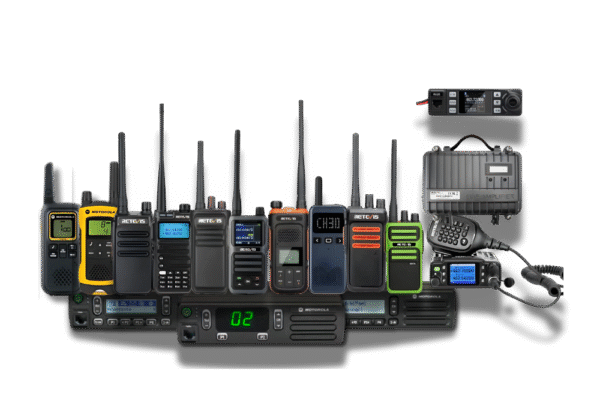
License-Free Walkie Talkies (PMR446)
What Are License-Free Walkie Talkies?
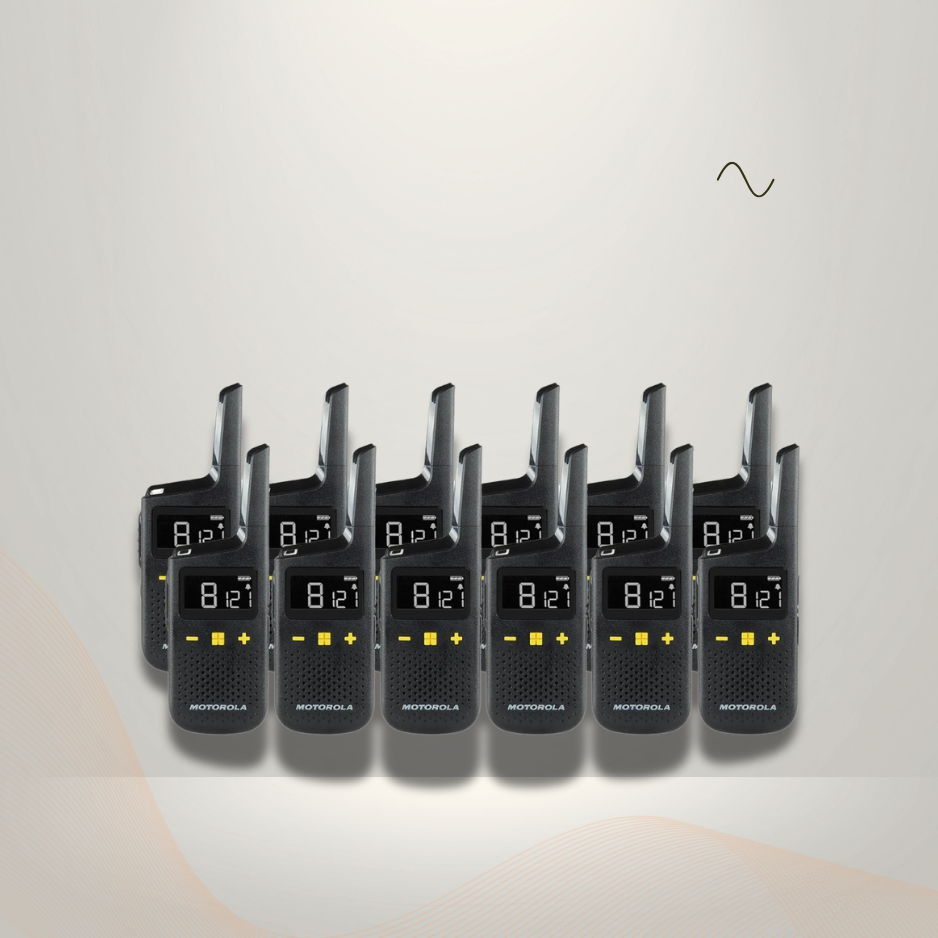
License-free walkie talkies, also known as PMR446 radios, are designed for personal use and do not require a radio license to operate. They are perfect for simple, short-range communication without any complicated regulations.
Advantages of License-Free Walkie Talkies:
-
No License Required: Use them without needing to apply for a license.
-
Affordable: These models are budget-friendly, making them ideal for casual users.
-
Easy to Use: They are simple and intuitive, with minimal setup.
-
Perfect for Short Range: Best for up to 10 km communication, depending on the environment.
Best Uses:
-
-
Family outings
-
Hiking and camping trips
-
Small business or team events
-
Licensed UHF and VHF Walkie Talkies
What Are UHF/VHF Walkie Talkies?
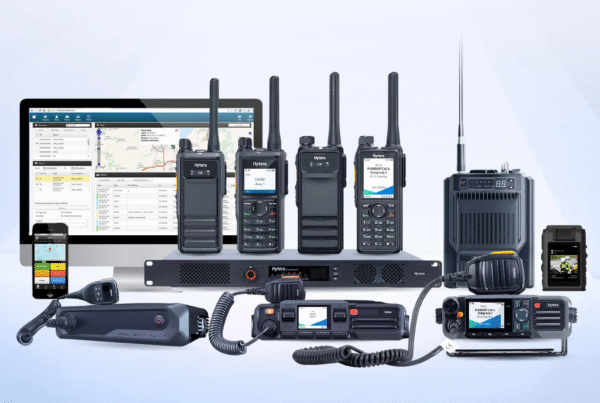
UHF (Ultra High Frequency) and VHF (Very High Frequency) radios require a license to operate in many regions. These radios offer improved range and better performance in specific environments, with UHF being effective in built-up areas and VHF excelling in open areas.
Advantages of UHF Walkie Talkies:
-
Clearer Signals in Urban Areas: UHF signals penetrate buildings and obstacles better.
-
Good for Short to Medium Range: Ideal for commercial use in cities or construction sites.
Advantages of VHF Walkie Talkies:
-
Better Range in Open Spaces: VHF radios work best where there are fewer obstructions.
-
Longer Range Over Large Areas: Perfect for outdoor activities such as hiking, boating, and farming.
Best Uses:
-
Construction teams
-
Event staff
-
Security services in urban settings
POC (Push-to-Talk over Cellular) Radios
What Are PoC Radios?
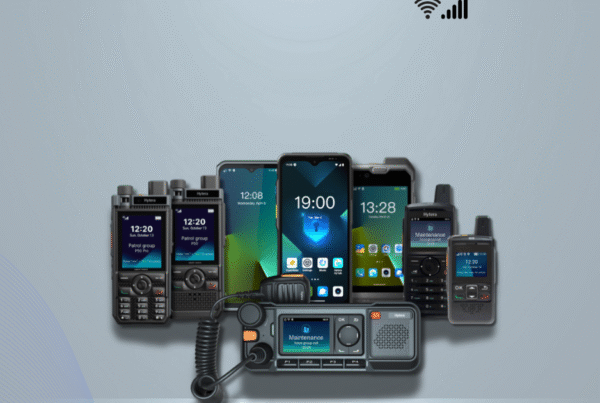
PoC radios combine the functionality of walkie talkies with the power of cellular networks. These radios use mobile data or Wi-Fi to offer communication over long distances, effectively extending the range of traditional walkie talkies to global levels.
Advantages of PoC Radios:
-
Global Coverage: Operates over cellular networks, providing long-range communication, even internationally.
-
Advanced Features: Includes GPS tracking, messaging, and multimedia features.
-
No Need for Radio Licenses: PoC radios can operate across the globe without licenses in most cases.
Best Uses:
-
Emergency services
-
International business communication
Large-scale operations
TETRA Radios (Terrestrial Trunked Radio)
What Are TETRA Radios?
TETRA radios are designed for mission-critical communications, offering secure and highly reliable communication. These radios are often used by public safety organizations, military, and emergency services.
Advantages of TETRA Radios:
-
High Security: Encrypted communication ensures privacy and security.
-
Reliable in Critical Situations: TETRA radios are built to work in the most challenging environments, such as during emergencies.
-
Interoperability: Works seamlessly across different radio networks.
Best Uses:
-
Police forces
-
Firefighters and emergency services
-
Military operations
Tactical Mesh Radios
What Are Tactical Mesh Radios?
Tactical mesh radios use a mesh network, allowing each device to relay information to other devices within range. These radios are ideal for military, law enforcement, and disaster response teams.
Advantages of Tactical Mesh Radios:
-
Self-Healing Network: The mesh network allows the system to continue working even if one radio fails or moves out of range.
-
Highly Reliable in Remote Areas: Perfect for situations where other communication systems may not work.
-
Flexible Deployment: Radios can be easily moved or added to the network as needed.
Best Uses:
-
-
Military operations
-
Disaster recovery teams
-
Remote field operations
-
Comparison Table: Types of Walkie Talkies
Type |
Frequency Range |
Best For |
License Required |
Range |
Key Feature |
License-Free (PMR446) |
UHF/VHF (446 MHz) |
Casual communication |
No |
Up to 10 km |
Budget-friendly |
UHF/VHF Licensed |
UHF: 400-512 MHz, VHF: 30-300 MHz |
Construction, Security, Business |
Yes |
Up to 25 km |
Clear in built-up areas (UHF) & open areas (VHF) |
PoC Radios |
Cellular Networks |
Long-range, Global communication |
No |
Global |
Advanced features, GPS |
TETRA Radios |
Specific Frequencies |
Emergency, Mission-Critical |
Yes |
Varies |
Secure, Reliable |
Tactical Mesh Radios |
Mesh Networks |
Military, Remote Operations |
Yes |
Varies |
Self-healing network |
Tips for Choosing the Right Walkie Talkie
-
Assess Your Communication Needs: Consider how far you need to communicate. For local communication, license-free or UHF/VHF radios are ideal. For global or long-range communication, PoC radios might be the best choice.
-
Think About Environment: In a busy city, UHF radios may be more efficient, while VHF is perfect for outdoor and open areas.
-
Budget: License-free radios are the most affordable option, while TETRA and tactical mesh radios tend to be more expensive but offer additional features like security and reliability.
-
Check Legal Requirements: Some radios require a license, especially those with higher power or specific frequencies.
Frequently asked questions
Can I use a normal SIM card for PoC radios?
Yes, license-free walkie talkies (PMR446) are allowed in the UAE and are perfect for casual or personal use without needing a government license.
What is the difference between UHF and VHF radios?
UHF radios work better in urban areas with obstacles, while VHF radios provide longer range in open, rural areas. UHF is ideal for construction sites, and VHF is better for outdoor activities.